-
1. Is Rab Lighting truly spec-grade, or is that just a label?
-
2. Can I use a Rab Lighting ceiling light for a wall-mounted outdoor application?
-
3. Is a compliance checklist really necessary for area lights?
-
4. Should I demand an IES file before comparing flood lights?
-
5. What should I ask a Rab wall light distributor before placing an order?
-
6. Is it ever okay to use residential fixtures in a commercial space?
I'm not a lighting engineer. I'm the person who manages purchasing for a 140-person company with three facilities, and I place the orders that keep our parking lots lit and common areas looking presentable. Since I took over purchasing in 2020, I've ordered a lot of rab commercial lighting fixtures. I've also made mistakes that cost us time, rebates, and a little dignity. I'll keep this practical. No theory, just what I ask.
These are the questions I wish someone had answered before the first order.
1. Is Rab Lighting truly spec-grade, or is that just a label?
From the outside, all LED fixtures look similar. The reality is the paperwork behind them is wildly different. Spec-grade means the fixture comes with photometric tests, driver specs, thermal data, and compliance marks that an engineer or inspector can check. A fixture can look great in a showroom and still fail when you need a submittal package.
In my experience, Rab Lighting publishes spec sheets that actually answer the questions. They list wattage, lumens, color temperature, dimensions, and the standards the fixture is designed to meet. That doesn't mean every model is right for every job, but it means I can make a decision without waiting for a callback. If a spec sheet doesn't list the standard or the test data, I move on. There are enough fixtures with clear documentation.
Here's the thing: in commercial projects, the paperwork matters as much as the light. If your electrical contractor needs an IES file to run a lighting layout, "it looked nice in the photo" isn't enough. A spec-grade fixture is the minimum, not a luxury.
When I switched from fixtures with vague spec sheets to ones with complete test data, the first thing I noticed was fewer questions. No one called me back to ask, "what is this exactly?" That silence is the best part.
2. Can I use a Rab Lighting ceiling light for a wall-mounted outdoor application?
You can, but you probably shouldn't. A rab lighting ceiling light is designed to distribute light downward from a horizontal mounting position. A wall light is designed for vertical mounting, with optics that control where light goes from a wall plane. If you mount a ceiling light on a wall, you can get glare, wasted light on the building face, or dark spots where the light doesn't reach.
This "one fixture fits all" thinking comes from an era when lighting choices were limited. Today, manufacturers like Rab Lighting build dedicated outdoor wall lights with specific distributions and shielding options. If you're looking for a wall light distributor, ask whether the fixture is a true wall-mount or just a ceiling light that can be rotated.
3. Is a compliance checklist really necessary for area lights?
Short answer: yes. Area light compliance requirements are one of those things that seem boring until a rebate is rejected or an inspector flags a fixture. If you ask me, the boring details are where the money hides.
For a typical parking lot or exterior area light project in the U.S., I check four things:
- Safety listing: Most jurisdictions expect permanently installed luminaires to be listed to UL 1598 or an equivalent standard.
- Rebate eligibility: If the utility requires DLC listing, verify the exact model on the current DLC Qualified Products List. A fixture from the old product page may not be listed.
- Dark-sky compliance: Many municipalities now require shielded fixtures to reduce light pollution.
- Photometric layout: Some projects need an IES file and a lighting calculation to pass plan review.
This applies to wall lights and flood lights too, not just area lights.
We learned this the hard way. We didn't have a formal compliance checklist when we ordered a batch of area lights. The utility denied the rebate because one model wasn't DLC-listed at the time of installation. The light worked. The paperwork didn't. That rejection cost me a conversation I would rather forget. I don't remember the exact number, but I remember the conversation.
Now I verify compliance before the PO: UL, DLC, dark-sky, and the utility's current rebate form. It takes 20 minutes and saves a lot of awkward meetings. Rab Lighting area light models often have shield options, but you still have to confirm the exact part number.
4. Should I demand an IES file before comparing flood lights?
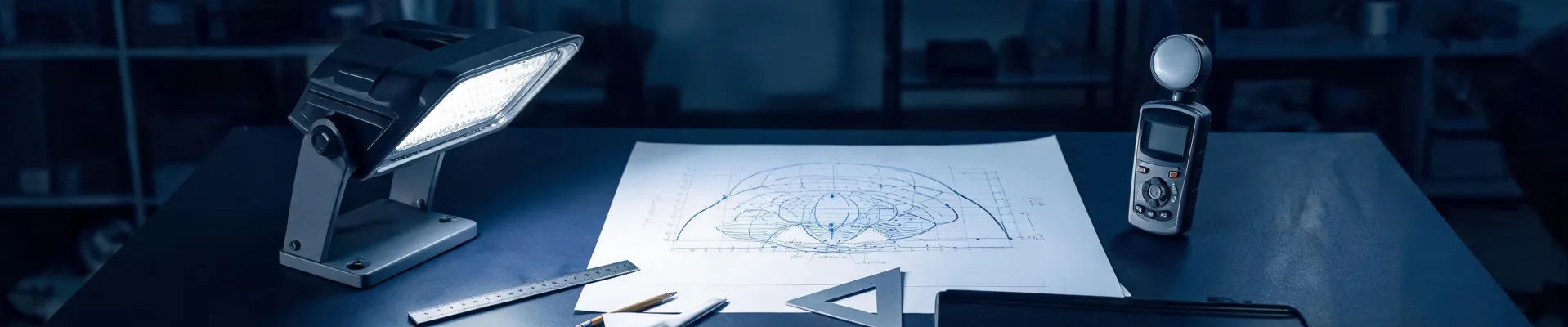
Yes. If you're buying flood light fixtures for a parking lot, a building facade, or any area where beam coverage matters, ask for the IES file first. An IES file is a photometric data file that tells a lighting design program how the light spreads. Without it, you're guessing.
People assume a 100W LED flood light is a 100W LED flood light. What they don't see is the optic and the driver. The same wattage can have a narrow spot beam or a wide wash beam. If you need to light a sign from 20 feet away, a wide flood beam will wash the whole wall and still leave the sign dark. A good IES file also shows tilt angles and spacing criteria, which matter for pole-mounted floods.
When I evaluate a flood light, I check for LM-79 and LM-80 data as well. LM-79 covers photometric testing, and LM-80 covers LED lumen maintenance. If a manufacturer doesn't share those, I don't trust the lumen number. Rab Lighting's flood light pages include photometric files and product specs, which makes this step easier. A fixture that comes with an IES file is a fixture that was actually tested.
Look, I'm not a lighting engineer. But I've learned that the beam distribution saves or costs money every night.
5. What should I ask a Rab wall light distributor before placing an order?
First, ask if they're an authorized distributor for the brand. If they're not, the warranty may not transfer. Second, ask for the submittal sheet and IES file before you commit. If they hesitate, that's a red flag. Third, ask about the real lead time. If the project has a deadline, "it usually ships in a week" is not a schedule. Fourth, ask what happens if a fixture arrives damaged. Who files the claim? Does the quote include replacement shipping?
In my experience, the best wall light distributor is the one who sends a clean quote with complete documentation in the first email. To be fair, price matters. But the worst conversations happen when a low quote comes with a high-response-time problem. If you ask me, a distributor who can answer basic questions before the PO will also be easier to deal with after delivery.
Oh, and one more thing: ask whether the quote includes the mounting accessories and any pole or wall-mount hardware. I've had those show up as separate line items after the fact. It's not a disaster, but it's annoying.
6. Is it ever okay to use residential fixtures in a commercial space?
For permanent commercial lighting, no. Residential fixtures are tested and built for different conditions, including shorter operating hours and fire safety expectations. A residential ceiling light in a commercial stairwell or common area is a gamble. Commercial spaces need fixtures with commercial listings, documented performance, and a warranty that responds to continuous use.
I get why people try to stretch the budget. Budgets are real. But if a lobby fixture flickers and dies, the conversation isn't about the $40 you saved. It's about the professional look that disappeared. The quality of what you install is the quality of the message you send. Period.
If you're buying rab lighting ceiling light fixtures for a commercial common area, choose one rated for the application. The spec sheet will tell you. If you're not sure, ask the manufacturer or an authorized distributor before you order. The extra five minutes beats the alternative.

Clara Whitmore is a lighting photometry and LED source analyst specializing in bulbs, tubes, strips, panels, and integrated luminaires. She interprets IES LM-79 measurements and TM-30 color rendition data through luminous flux, efficacy, intensity distribution, CCT, chromaticity, fidelity, and gamut metrics. She writes evidence-led comparisons for specifiers selecting source formats and luminaires for commercial interiors, industrial spaces, or horticultural systems where measured optical and color performance matter.