If you’re buying RAB Lighting fixtures in bulk, don’t start with unit price. Start with street lighting specifications, photometric files, driver access, and warranty terms, because those are what turn a cheap fixture into an expensive installation. The real number to compare is total cost of ownership, not the first line on the quote.
I’m not a lighting engineer. I’m an office administrator for a 400-person company with three buildings, a warehouse, and a parking lot. I process roughly 60 to 80 orders a year and manage close to $300,000 in facilities purchasing. I report to operations and finance. When I took over purchasing in 2020, my approach to RAB commercial lighting was simple: get three distributor quotes and take the lowest price. That made sense until the rework bills arrived.
Why I stopped comparing fixtures without street lighting specifications
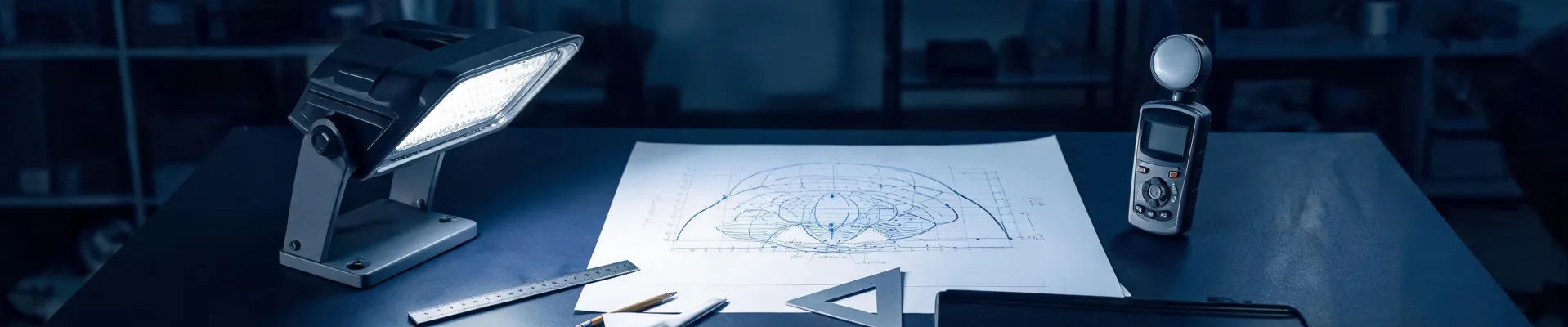
In 2021, I approved an order for 18 outdoor wall-pack style fixtures for our warehouse exterior. The spec sheet looked right: wattage, lumen output, and an OK ingress rating. I skipped the photometric .ies file because I thought, “what are the odds that matters?” The odds caught up at night. The fixtures created glare near the property line and dark spots near the loading dock. They worked as intended individually, but nobody had modeled the beam patterns on our actual walls. The electrical contractor came back to re-aim and add shielding. The change order cost about $1,200 and erased the savings from that cheaper quote. That is when total cost thinking finally clicked.
Now, before I approve any bulk street lighting order, I look for the documents behind the fixture:
- LM-79, LM-80, and TM-21 data. These tell me how the fixture was tested and how long the LED package is expected to stay at a useful light output level.
- DLC-listed or qualified status. Many utility rebate applications need a model number that is actually on the DesignLights Consortium qualified products list.
- BUG rating. This is your early warning for glare, light trespass, and dark-sky problems.
- Photometric files. No .ies file means no meaningful layout plan. For parking lots or roadways, that is a deal-breaker.
- Driver access. If the driver is buried and the whole fixture must come down to service it, every future driver failure becomes a lift rental plus labor.
Those items do not show up on a pricing sheet, but they are part of the real project cost. A cheaper street light with poor glare control can create neighbor complaints and require add-on shields. A fixture with accessible driver placement can be serviced in twenty minutes. That difference matters more when you are buying 20 fixtures or 100 fixtures.
Bulk street lighting: what I check before signing
In 2024, during our vendor consolidation project, I ordered area lights for our parking lot. The price was not the lowest quote, but the package included three things the other quote did not. First, complete IES photometric files. Second, DLC-listed model numbers. Third, a distributor who could show stock for the whole quantity rather than half now and half in four weeks.
That last point does not sound like a cost until the electrician arrives. Partial delivery on bulk street lighting means an extra mobilization trip, and mobilization costs money. The lowest unit price can still win, but only if the full delivery and spec paperwork support the schedule.
The TCO model I use is simple: (fixture price × quantity) + freight + installation labor + controls/accessories + expected maintenance + rework risk = true project cost. If any line is missing, the quote is incomplete.
The downlight wholesale cost guide I actually use
If you search for a downlight wholesale cost guide, the first thing you usually see is a table of prices per fixture. That is useful for budgeting, but it is not the whole story.
Between November 2024 and January 2025, I reviewed distributor quotes for 60 commercial-grade, 6-inch LED downlights with 0-10V dimming. Spec-grade models with DLC listings and proper documentation were in the $60 to $120 range per unit in that period. I want to say that is still the ballpark as of January 2025, but don’t quote me on today’s exact prices. Distributor markups, freight, and volume all move the number.
The bigger number on those quotes was labor. For a lay-in grid ceiling, installation labor was quoted at about $75 per downlight. If the ceiling is drywall and the new fixture does not fit the existing hole, that estimate can climb to $150 or more per unit after patching and painting. Multiply that by 60, and a $20 per-unit price difference between two quotes is minor next to the labor difference. The unit price is not where the real savings live.
Wholesale might not be the right word here; I buy through distributors rather than directly from RAB, and pricing varies by project and region. What I mean is that fixture cost should be one line in a total-cost estimate, not the headline. When someone asks about a RAB lighting ceiling light for an office, I remind them to compare driver access, CCT, CRI, dimming type, and whether the housing is meant for remodel or new construction. A ceiling light is not just a round hole in the ceiling.
When a low price is the right answer
I don’t want to overstate the TCO case. If you are buying one fixture to replace a broken unit in a place where rebates, layout, and maintenance access do not matter, the cheapest acceptable option may be fine. TCO thinking matters most when the order is large enough that labor, compliance, and future service calls become real line items.
The approach also fails if you compare two products that are not truly equivalent. Two fixtures can have similar wattage and lumens but different distribution patterns, driver access, or compliance status. Always compare at the model-number level, not the product-category level.
The reason to take RAB commercial lighting seriously is not that it is always the lowest first price—it is that the specification data is usually available when you need it. Photometric files, DLC listings, and published test data let you calculate the real cost before you sign. That is a better place to start than a bare price quote.

Clara Whitmore is a lighting photometry and LED source analyst specializing in bulbs, tubes, strips, panels, and integrated luminaires. She interprets IES LM-79 measurements and TM-30 color rendition data through luminous flux, efficacy, intensity distribution, CCT, chromaticity, fidelity, and gamut metrics. She writes evidence-led comparisons for specifiers selecting source formats and luminaires for commercial interiors, industrial spaces, or horticultural systems where measured optical and color performance matter.